Blog Categories
Nineteen Sixty Seven Ramisco!
Adega Viúva Gomes
In the 1930s, Colares was one of Europe’s most prestigious wine regions. Today, 2026, just 22 hectares remain of it’s ‘ungrafted’ old-vines. Planted on sandy dunes in Lisbons’s backyard. Rising land prices have tempeted many locals to sell their vineyards to developers, and the difficulty of growing grapes here has now contributed to the shift to tourism. But Adega Viúva Gomes, run by the father and son team, Jose & Diogo Baeta, shows us that vino Colares still deserves to be revered.

The wines are famously long-lived, and Viúva Gomes hold slowly dwindling stocks of vintages dating back to the 1960s, which they release in minute quantities after long maturation in oak and then in bottle. These are vinous treasures, showing umami complexity and kept for up to half a century in the family cellars. With an annual production of the whole appellation down to a microscopic 6.500 hectolitres, it’s little wonder that the official wine is now bottled in 50cl, while the vintages from 1960s still hold a generous 65cls.
1967 Viúva Gomes Coralles Reserva Tinto
6 bottles (65cl) @ £90.00 per bottle ’Under Bond’ lying at London City Bond VT.
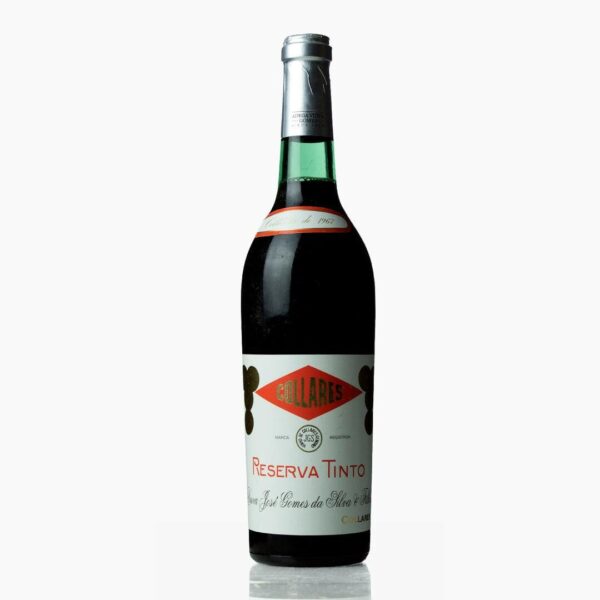
‘Lovely backbone acidity with hints of violet, chestnut & acacia with a soft Ramisco complex finish’ 99/100pts W.P.H
As you may not know much about the grape Ramisco di Collares, I have delved into the vinous bible to share with you a little knowledge. Ramisco is a Portuguese dark blue-skinned grape variety, which stands out in the world of wine grapes as one of very few Vitis Vinifera varieties never to have been grafted onto American phylloxera-resistant rootstocks. It’s grown only in the Colares (Collares) region of southwestern Portugal. Right on the coast there, south west of Lisbon.
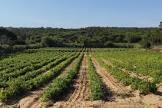
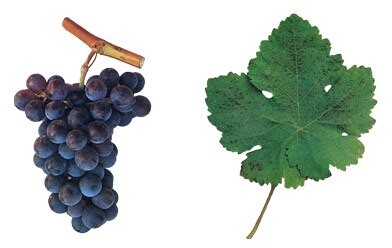
The red wine made from Ramisco are usually medium-weighted, with pronounced acidity and ample tannins. Small berries and thick skinned. Alcohol levels are relatively subdued, however, typically reaching 11-12% ABV. As it is nearly impossible to find plantings of Ramisco outside Colares (Collares), it is difficult to attribute physiological characteristics to the grape itself without considering the unique location where it is cultivated. As well as containing violet aromas and a combination of dark fruit flavors with a herbal inflection, the wines are often underlined by a subtle saline character, due to the vines proximity to the Atlantic Ocean. The variety is also known for it’s distinctive dark-blue skin.
Much has been written about the grape due to its rare distinction, as a Vitis Vinifera variety, of shrugging off the phylloxera epidemic of the late 19th Century. The vines are mainly planted in sandy soils (known locally as chao de areia), meaning that the destructive mite, could not survive in the vineyards, removing the need for grafting onto American rootstocks, like the rest of the world had to back then. Except of course in Chile and other small parcels to be found in Portugal (Fonseca’s Nacional for example) and in the Bekka Valley of Lebanon.
Growers now have to plant in trenches several meters deep, so that the root systems can anchor themselves in the clay below the sand.
Ramisco is thought to have been brought to Colares (Collares) from France in the 13th Century by Afonso III, King of Portugal & the Algarve. Afonso had lived mainly in Boulogne, northern France, before marching on Portugal to remove his older brother Sancho II from the throne. Bravo! Afonso III and long live Ramisco!!