Blog Categories
… Isobel necessary on a bicycle?
I picked up a wine journal over the week-end and read this interview with Isa Bal. A native to Turkey, living in London. I had never heard of the fellow before but am told reliably that he is a restauranteur at Trivet in London (SE1), and knows quite a bit about wine. He is a judge on Sommelier Wine Awards (I am not sure what that is, but I get the idea) and I like what he says here, so am putting the blurb up for you to also enjoy, I hope.
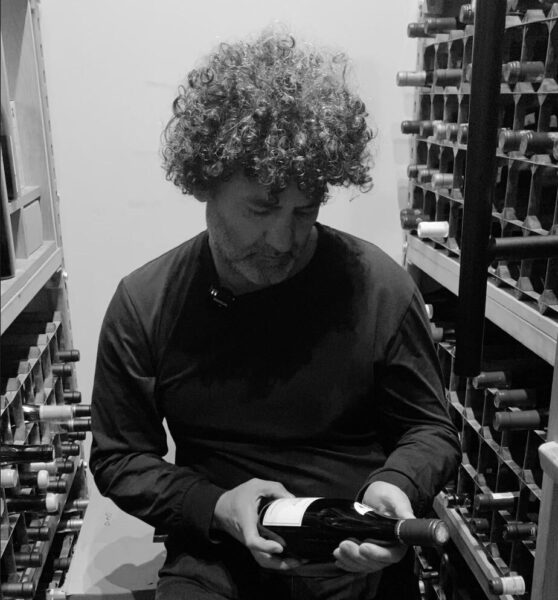
What do you think drives some people to chase after great wines? Whichever segment of wine you are in, you will find that it’s an ever-changing world, which keeps it interesting. If you are making wine and you enjoy producing things, you are taking a product that’s a raw fruit and guiding it through all the way into the bottle, especially at a higher quality level, it must make you proud. As a sommelier, you have to learn about the wine, those people who make it, geography, history and psychology to a certain extent. People who enjoy wine and food generally have a nice outlook on life, they are amiable and easy to make conversation with.
Do we underestimate the importance of the cultural side of wine? In affluent periods of time in the history of humankind, wine has always been the drink that symbolises wealth and prosperity. That’s maybe to do with wine being reserved initially for gods, or demigods, and then it being the staple for aristocrats. The wine world reflects the current social structure in society. It’s part of our culture. It’s also an incredibly resilient thing. There isn’t a civilisation that could entirely wipe it out. It goes to sleep sometimes, but it always comes back. If you look at all these prohibitions, none of them work 100%. There is always a leak somewhere.
We recently spoke about wine in Iran. I think there are some Jewish and Christian communities, non-Muslim communities that still exist in Iran and I don’t think it’s banned for them to produce wine. If the situation there was relaxed, it could become quite an important wine-producing country.
Do you believe the boundaries of what constitutes ‘fine wine’ have moved? You can see in fine wine a consistent streak of quality, even in vintages that are deemed to be not great. On the other hand, there are these new wines that are very high in quality, but you can’t see 10 vintages in a row that give you that study. It’s just time. And in wine, nothing happens quickly. Take the rise of Pinot Grigio and then its fall, which happened quickly, this is not the same thing. Fashion comes and goes; it takes a lot more for a style to become a classic.
Have you had your hand in making wines? Or would you wish to? I would love to make wine. I’ve tried once in Australia. I made one barrel of old vine Shiraz with the winemaker Ben Hayes and it was a very hands-off wine. There is still a bottle of it somewhere. I would love to make one every year at a place where I can produce the style of wine I like to produce, respecting the origins, the terroir, etc. The style is very important, I think that style is the hand that makes it, and everything else is the nature.
Do you think the future role of sommeliers is evolving in any significant way? Sommeliers will always be there in some capacity. But since 2008 our economy has been misfiring, so sommeliers are now getting involved with all aspects of running a restaurant rather than just focusing on drinks. Additionally, the tech industry has been trying to integrate technology, but dining out is a social interaction before anything else, if you take that human element out of it, it becomes quite mundane. Say the platform you are using recommends your customer something and they don’t like it, who’s going to deal with it? I think one needs to watch that and see where it goes. We shouldn’t be too protective of what a sommelier is, unless the profession keeps evolving and changing, it will be a sort of relic.
A quick word on the Sommelier Wine Awards. What should the judging teams be looking for? One thing I always look at is balance. It’s very important and it needs to be true to its origin. You need to know, first of all, what to expect from that glass and does it conform to it? And what level is it? We are not judging like a winemaker. Winemakers are typically looking for faults in wine when they are tasting. Sommeliers should be first of all looking for what’s good in this wine, and then maybe asking the question, ‘how good is that?’.
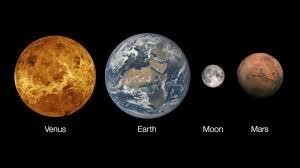
Your chronologically arranged list at Trivet famously begins with Georgia and ends, humorously, with Mars. What would wine look like on Mars? If we can grow wine on Mars, let’s not worry about oxygen. Its soil looks pretty burned, so it will be pretty intense stuff. It’s closer to the sun as well, isn’t it? That might be one issue that we have to take into account. Either way, I think it will be very interesting. When I go to certain wineries and vineyards [on Earth], some can be quite out of this world. Lanzarote would be one, that kind of stuff…
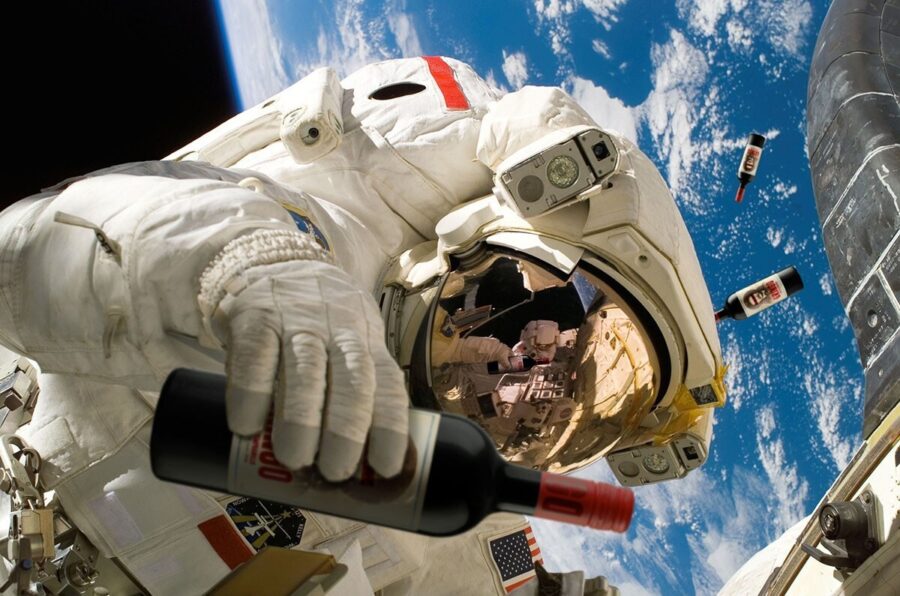
”That’s one small step for Cabernet-Sauvignon, one giant leap for Bordeaux”

”I always have optimism, but I’m also realistic” William P. Hancock (28th January 2026, Earth)